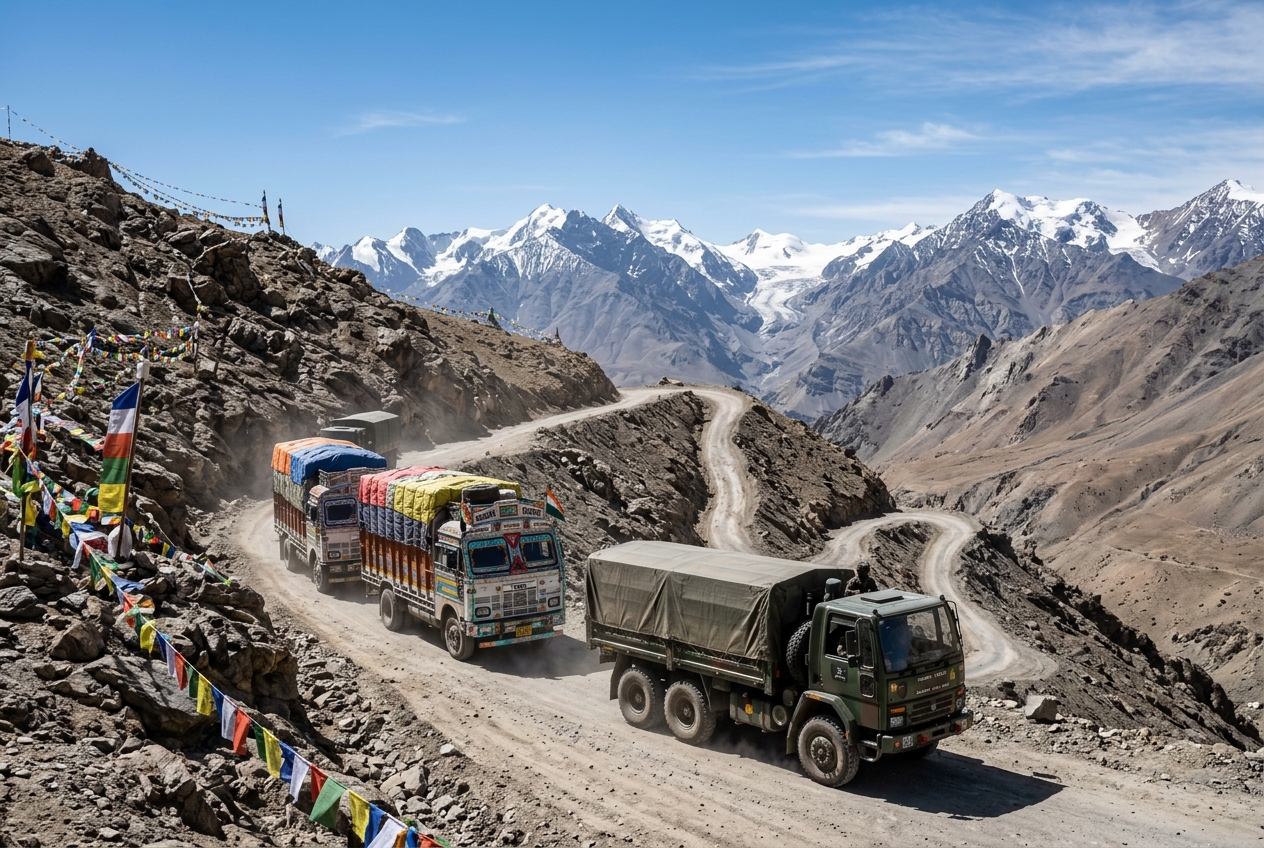
Delivering over-dimensional cargo to Leh and Ladakh means beating altitude, weather and some of the hardest roads in India. Here's how it's done, and done safely.
Why Leh is a different kind of movement
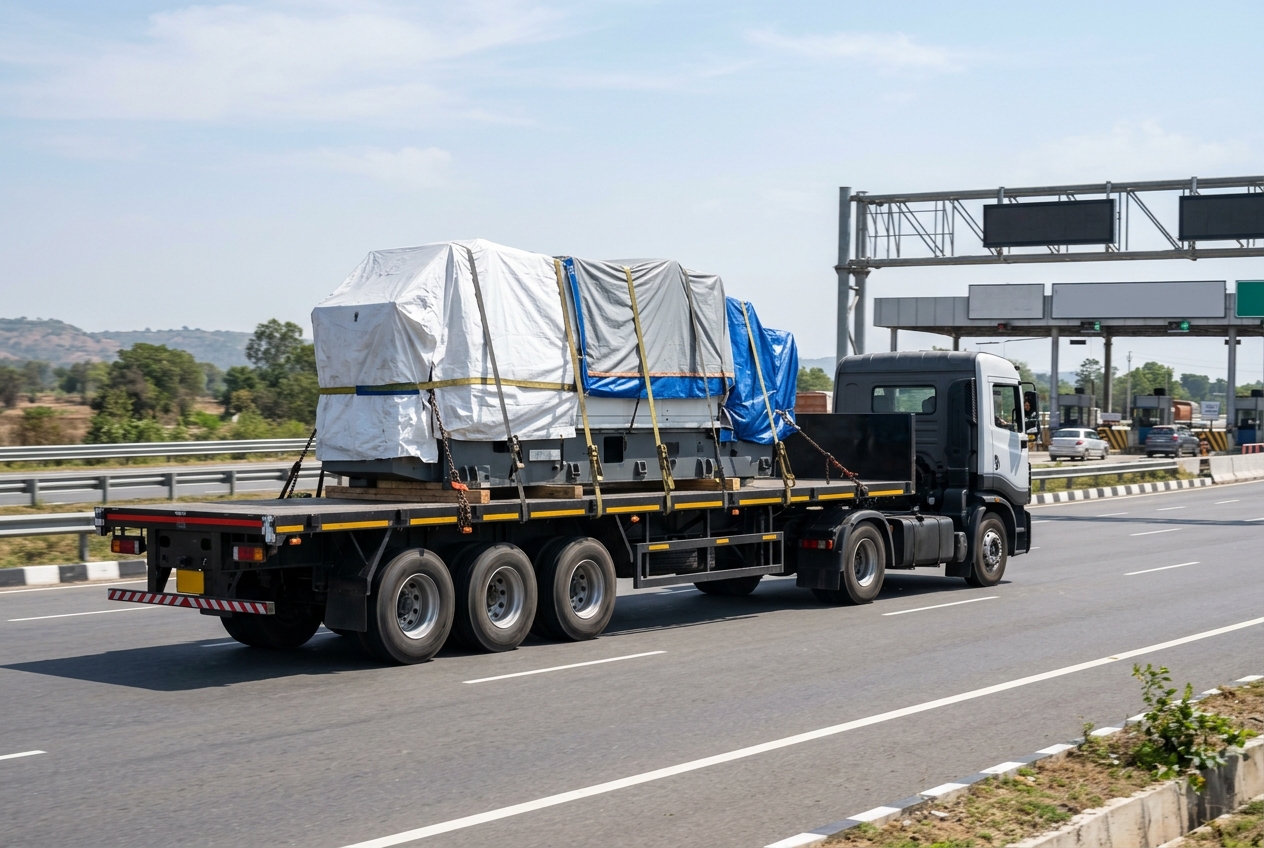
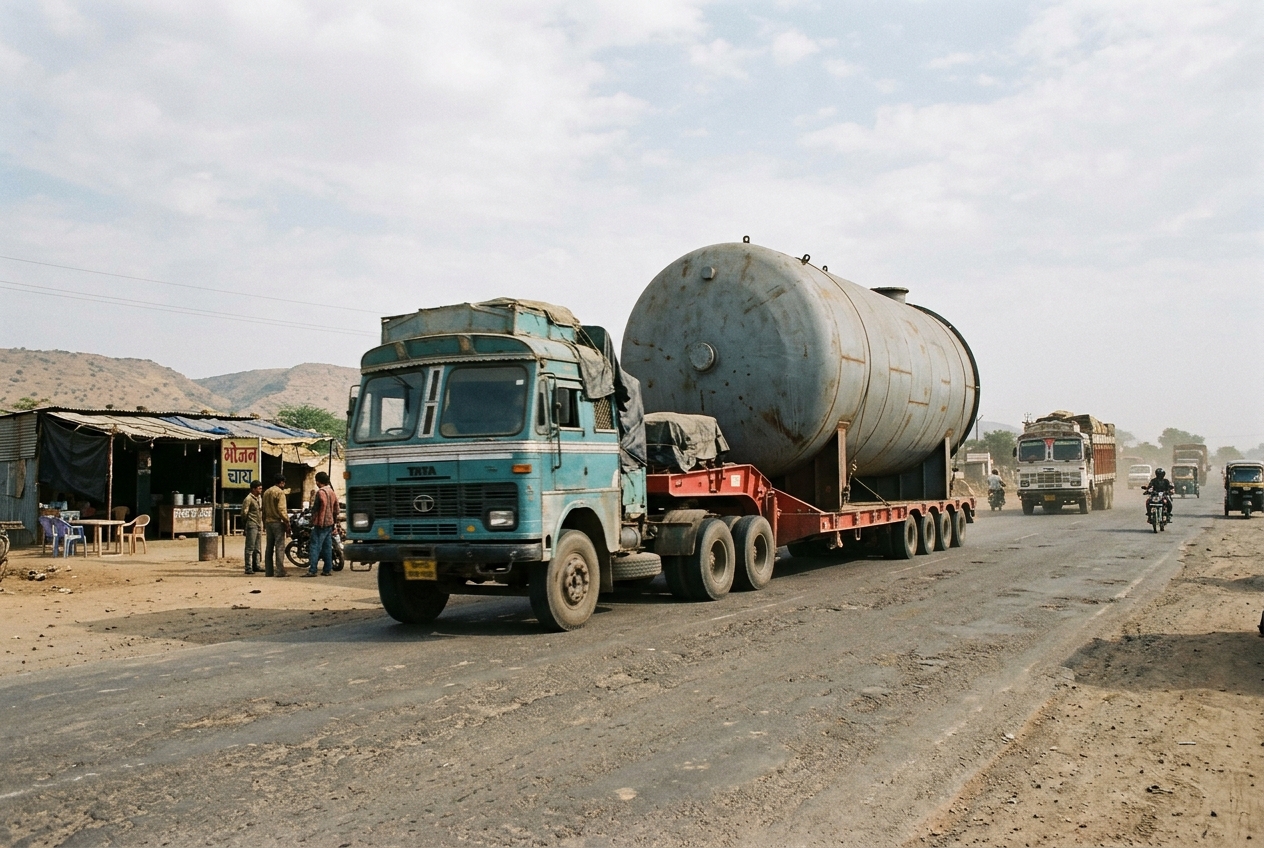
Most over-dimensional movements are a question of weight, height and road width. A movement to Leh adds three more: altitude, temperature and a very short weather window. Passes on the Manali–Leh and Srinagar–Leh axes climb above 5,000 metres, where engines lose power, hydraulics slow down and crews tire quickly.
That is why a Leh movement is planned months before the first wheel turns — around the few months a year the passes are reliably open.
It starts with a route survey
Before we commit a single trailer, our team surveys the actual road — bridge load limits, hairpin radii, tunnel heights and the state of the surface after the winter. For an over-dimensional load, one blind hairpin or a low army bridge can end a movement, so nothing is left to a map.
Permits, escorts and convoy discipline
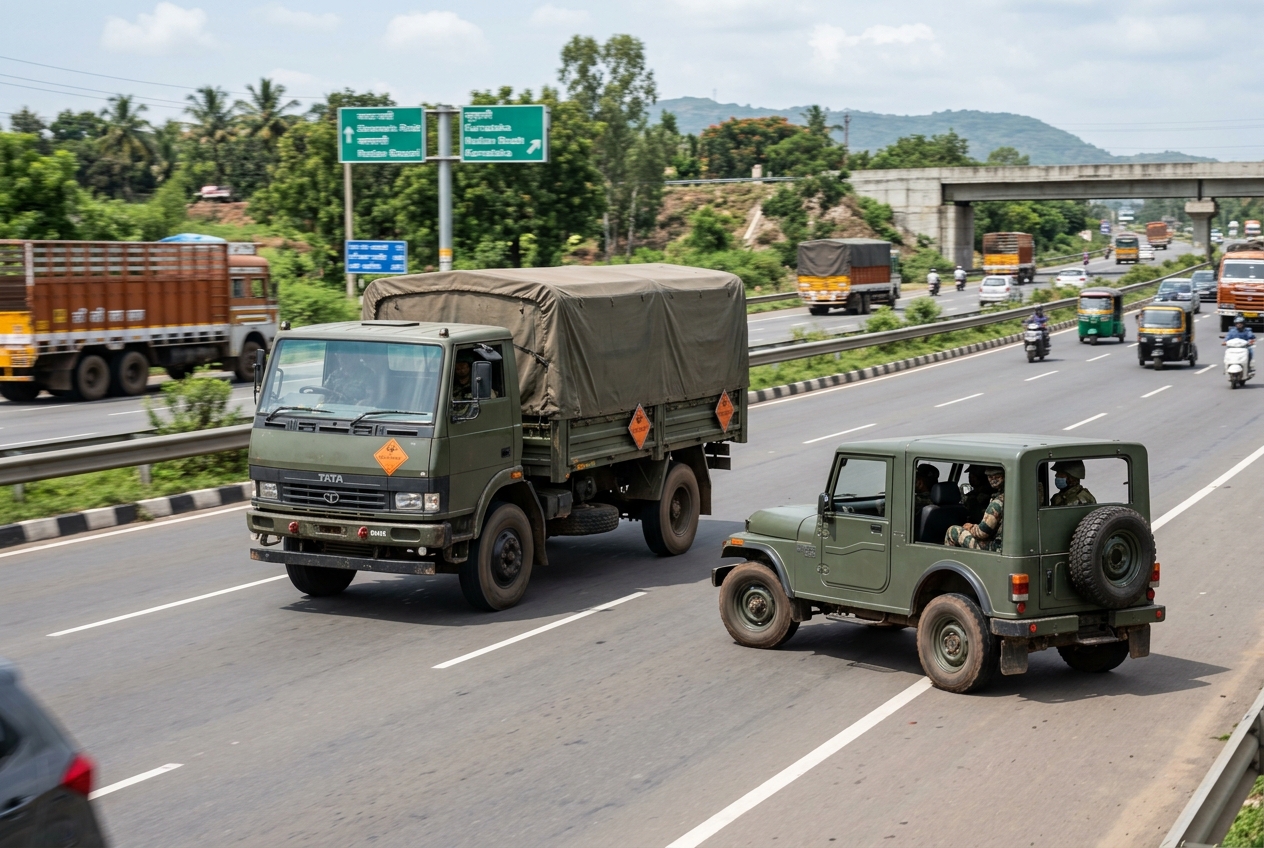
Border-region movements need state permits and, for defence consignments, coordination with the authorities and army escorts. We build the load into a disciplined convoy — pilot vehicles ahead, spacing maintained, night halts planned at safe altitudes to let crews acclimatise.
The ITO difference
We have been moving India's heaviest cargo since 1972, including into the highest border regions. That experience — knowing which pass to take, when to move and how to keep a load stable at altitude — is what gets construction machinery, transformers and defence equipment to Leh intact and on time.
Talk to our team for a quote, anywhere in India.